
Teasing vs. Bullying: How to Teach Kids the Difference (+ 4 Upstander Steps and Free Scenario Cards)
Kids can't stop bullying they can't recognize. Here's how to teach teasing vs. bullying in grades 2–5: how to tell the difference, four safe upstander steps, 10 classroom activities and free scenario cards to practice with.
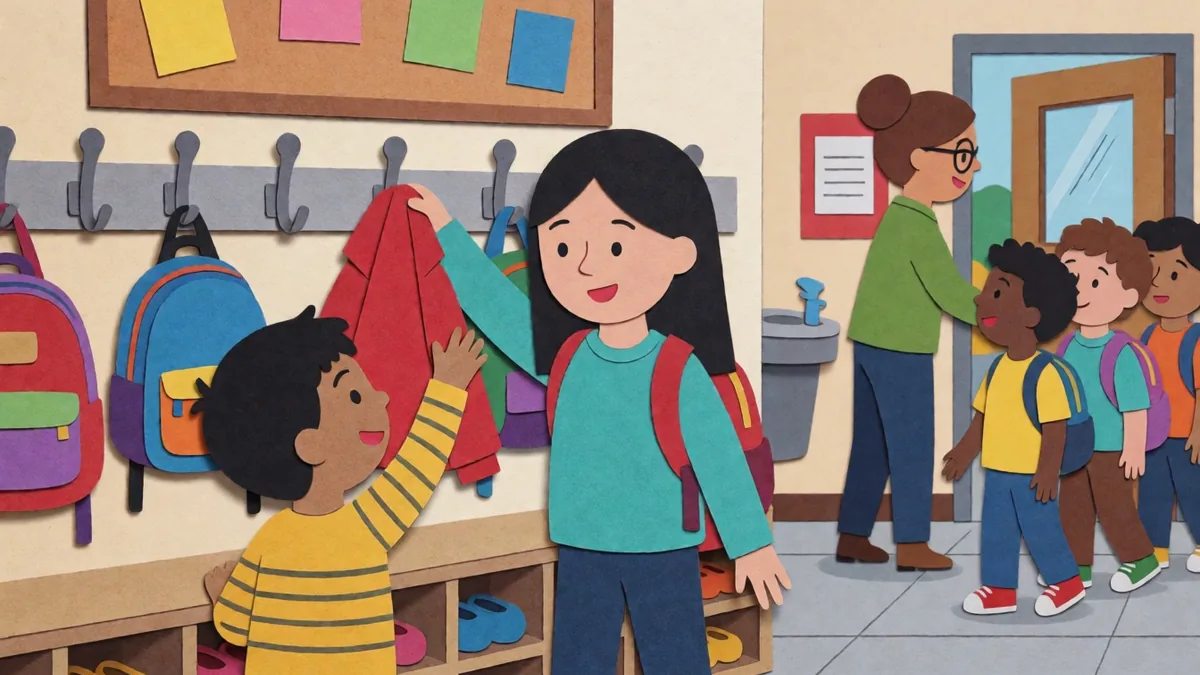
Teasing vs. bullying comes down to three questions kids can learn to ask: Is it on purpose to hurt? Does it keep happening? Is it hard to make it stop? Most students already know that bullying is wrong. What many of them can’t do yet is recognize it: tell it apart from a one-time joke or a normal argument, notice when it keeps happening to a classmate, and know what they can safely do about it. That’s where bullying prevention starts. Below is how to teach it in grades 2–5: the difference between teasing and bullying, four safe upstander steps, 10 classroom activities (most take 5 to 15 minutes), and free scenario cards with realistic, age-appropriate situations. It’s an important part of social-emotional learning (SEL), and it works best as regular practice, not a one-day assembly.
What is bullying? A kid-friendly definition
Bullying is hurtful behavior that is done on purpose, keeps happening, and is hard for the person to stop, often because the one doing it has more power: they’re older, bigger, more popular, or in a group.
In kid-friendly words: “Mean on purpose, again and again, and hard to make it stop.” Bullying can be words (names, mocking), actions (grabbing someone’s things, blocking their way) or leaving someone out over and over.
Teasing vs. bullying: how to tell the difference
Not every unkind moment is bullying, and students need to know the difference so they can respond the right way. Use this table with your class:
| Friendly teasing | A conflict | Bullying | |
|---|---|---|---|
| How often? | Now and then | Once, about one thing | Again and again |
| On purpose to hurt? | No, both are laughing | No, both want something | Yes |
| Who has the power? | Equal | Equal, both have a say | Uneven, hard to make it stop |
| When asked to stop… | It stops | They can talk it out | It keeps going |
| What to do | Say if it stops being fun | Use talk-it-out steps | Get an adult |
The quick test for students: Is it on purpose? Does it keep happening? Is it hard to make it stop? If the answers are yes, it’s more than teasing, and an adult needs to know.
How to be an upstander: 4 safe steps to teach
Bullying often happens in front of other kids, and what those bystanders do matters. An upstander is someone who sees bullying and does something to help. Teach these four steps, model them out loud, and use them in every activity below:
- Notice. Look for the clues: is it on purpose, does it keep happening, is the person upset? social awareness
- Don’t join in. Don’t laugh, cheer or pass it on. Not adding to it is already helping. responsible decision-making
- Be a friend. Stand with the person, invite them to come with you, or check on them afterward: “Are you okay? Want to sit with us?” kindness
- Tell a grown-up. A teacher, recess aide, coach, bus driver or parent. Telling to help someone is never tattling. asking for help
Make one thing very clear: upstanders never have to confront the student who is bullying. Students should never put themselves in danger. Being a friend to the person and telling an adult are the strongest moves, and both count as standing up. Model a “think-aloud”: “Notice: this is the third morning that boy’s jacket has ended up on the highest hook. Don’t join in: I won’t laugh. Be a friend: I’ll help him get it down and walk in with him. Tell: I’ll tell our teacher at the door.”
10 classroom activities for teasing vs. bullying and upstanding
Each activity lists its time and grades. The short ones (1 to 3) fit into morning meeting; the role plays and discussions (4 to 9) work best in a weekly SEL block.
1. Teasing, conflict or bullying? sort
Read short situations aloud and have students sort them into three groups using the table above: friends joking around, a one-time disagreement, or bullying. The key question every time: “What clues show this keeps happening on purpose?” Takes 10 minutes, grades 2–5. The free relationship skills scenario cards include six bullying scenarios, each with three guided questions.
2. Telling vs. tattling
Many students stay quiet because they don’t want to be a “tattletale.” Teach the difference: tattling is trying to get someone in trouble over something small; telling is trying to help someone who is hurt, unsafe or being bullied. Read quick examples and have students show a thumbs-up for telling. Takes 5 minutes, grades 2–4.
3. Upstander moves menu
Brainstorm a class list of safe upstander moves: walk over and stand next to the person, invite them to play, say “Come on, let’s go,” check on them later, tell an adult. Post the menu. Students choose the moves they’d feel comfortable doing. Every student should find at least one. Most of these moves are everyday kindness, which is why teaching empathy and upstanding go hand in hand. Takes 10 minutes, grades 2–5.
4. Invite-away role play
Practice the most useful upstander move: helping the person leave the situation. Two students act it out. One plays the student being left out or picked on, and the other walks over and says, “Hey, we need one more for four square. Come on!” No one acts out the bullying; the practice is all about the helper. Takes 10 minutes, grades 2–5. Inviting someone in is also the heart of teaching inclusion. The Bullying Prevention Role Play Scenarios give you more scenes.
5. Trusted grown-ups map
Students list the grown-ups they could tell in each place: the classroom, the playground, the bus, after-school activities, home. Many students don’t realize the bus driver, the coach or the lunch monitor are on their list. Takes 10 minutes, grades 2–4.
6. “From your seat” brainstorm
Sometimes you can’t walk over. Read a scenario where a student is on the bus or across the circle, and ask: “What could you do from where you are?” Make room on your seat, catch the person’s eye and smile, sit with them next time, tell the driver at your stop. Takes 5 to 10 minutes, grades 3–5.
7. One kind action
Read a task card where a teased classmate quietly says “Thanks” after someone sits with her. Ask: “Why might one person’s action matter so much?” Then have each student name one small kind action they could do this week for someone who seems left out. Takes 5 to 10 minutes, grades 3–5.
8. When it happens to you
Some students will recognize themselves in these scenarios. Practice what to do if bullying happens to you: say “Stop” in a strong voice if it feels safe, walk toward other people or an adult, and tell a grown-up you trust, even if you told before. Remind students it is never their fault. Takes 10 minutes, grades 2–5.
9. Class upstander agreement
Write a short class agreement together, using students’ own words: “In our class, we don’t laugh along. We include people. We tell a grown-up when someone is being hurt.” Everyone signs it. Refer back to it when a real moment comes up. Takes 15 minutes, grades 2–5.
10. Upstander journal
After a scenario talk, students answer privately on paper: “What clues did you notice? What is one upstander move you could make? Which grown-up would you tell?” Private writing gives students who are going through something a safe way to say so. The free scenarios each have an open-ended and a guided journal page to print. Takes 5 to 10 minutes, grades 2–5.
A look inside the free bullying scenarios
The free Relationship Skills Scenario Cards cover ten areas of relationship skills, with six scenarios each. One whole area is Preventing and Responding to Bullying. Each scenario asks students to notice the clues, think about the person being hurt, and name a grown-up who could help. Here are three, with the guided questions:
What clues show this is not a one-time joke? Why might the kid not ask anyone for help? Who could you tell, and what could you do right now?
What keeps happening to the four-square game? Why do the younger kids just stand there? How can you help, and how could the recess aide help?
What does your brother tell you about the pickup line? Why would he whisper this instead of telling Mom? What might you say to him, and who could help?
Use the guided cards first, since the questions walk students from the clues to a safe action, then move to the open-ended cards (“What could you say or do here?”) once the four steps are familiar.


Quick practice: free bullying prevention task cards
For faster rounds, the free Relationship Skills Task Cards are short, one-moment prompts. Ten of them (A26–A30 and B26–B30) are about preventing and responding to bullying. Two examples:
Each card pairs with a reflection sheet, which is useful for students who would rather write than talk about this topic. For a full unit, browse all the bullying prevention resources in the SELcurve library.
Use them on screens, too
Both free sets also work as digital activities. You share one link, choose the format (open-ended or guided scenarios, or task card Set A or B), and students answer on any device with no student logins. At the end, each student downloads an answer sheet to hand in. Answering on a screen can also feel safer for students who find this topic hard to talk about in front of the class.
Bullying prevention resources for your classroom
 Free Relationship Skills Scenario Cards — Printable & DigitalGrades 2–6 · Print + digitalFREE
 Free Relationship Skills Task Cards — Printable & DigitalGrades 2–5 · Print + digitalFREE
 Bullying Prevention Scenario Cards — Printable & DigitalGrades 2–6 · Print + digitalFULL LIBRARY
 Bullying Prevention Task Cards — Printable & DigitalGrades 2–5 · Print + digitalFULL LIBRARY
 Bullying Prevention Role Play ScenariosGrades 2–5 · PrintFULL LIBRARY
 Bullying Prevention What Would You Do? Cards — Think, Choose, ActGrades 2–5 · Print + digitalFULL LIBRARY
See everything on the Bullying Prevention resources page or browse all free SEL resources.
Frequently asked questions
What is the difference between teasing and bullying?
Friendly teasing happens now and then between equals, both people are laughing, and it stops when someone asks. Bullying is done on purpose to hurt, keeps happening, and is hard for the person to stop, often because the one doing it has more power. Bullying always needs an adult.
How do you teach bullying prevention to elementary students?
Start with recognizing it: on purpose, again and again, hard to stop. Then teach four safe upstander steps (notice, don’t join in, be a friend, tell a grown-up) and the difference between telling and tattling. Practice with short, realistic scenarios and role plays that focus on the helper, not on the bullying.
What is the difference between a bystander and an upstander?
A bystander sees bullying and does nothing. An upstander sees it and does something to help, like refusing to laugh along, inviting the person to join them, checking on them later, or telling an adult. Upstanders never have to confront the person doing the bullying to make a difference.
What should a child do if they are being bullied?
If it feels safe, say “Stop” in a strong voice and walk toward other people or an adult. Most important: tell a grown-up you trust, like a teacher, parent or recess aide, and keep telling until it stops. It is never the child’s fault.
Are the bullying scenario cards really free?
Yes. The Relationship Skills Scenario Cards (60 scenarios with journal pages) and the Relationship Skills Task Cards (100 cards with reflection sheets) are complete sets, free with a free SELcurve account. No card needed. Both include a digital version you can share as one link.
More SEL ideas
 Relationship SkillsHow to Teach Self-Advocacy to Kids: 10 Games, a 4-Step Routine + Free Scenario Cards
 Relationship SkillsHow to Teach Conflict Resolution to Kids: A 5-Step Talk-It-Out Routine, 10 Games + Free Scenario Cards
 Relationship SkillsHow to Say No to Peer Pressure: A 4-Step Plan to Teach Kids, 10 Practice Games + Free Scenario Cards


