Inclusion in the Classroom: How to Teach Kids to Include Others (10 Ideas + Free Scenario Cards)
Inclusion in the classroom grows from one small skill: noticing who's on the edge and making room. Here's how to teach it in grades 2–5, with a 4-step routine, 10 quick ideas for welcoming others and meeting differences with curiosity, and free scenario cards.
Inclusion in the classroom comes down to a small, teachable move: noticing who’s on the edge and making room for them. It’s the student who sees a classmate standing a few steps away and says, “Want to join? We need one more.” It’s asking a friend about a tradition with curiosity instead of a wrinkled nose. This guide is about that everyday, social side of inclusion: students including each other in games, groups and conversations. Those moves are social-emotional learning (SEL) skills, and skills can be taught. Below is how to teach them in grades 2–5: a 4-step routine students can use on their own, 10 quick ideas to practice it (most take 5 to 15 minutes), and free scenario cards to get started.
What do diversity and inclusion mean for kids?
For elementary students, it helps to keep both words concrete:
- Diversity means people are different in lots of ways: what they’re good at, what they like, how their families celebrate, what languages they speak at home, how they learn.
- Inclusion means making room so everyone can take part, in the game, the group, the conversation.
- Belonging is how it feels when inclusion works: “I’m wanted here.”
In kid-friendly words: “Everyone is different, and everyone gets a place.” Differences aren’t problems to fix; they’re part of what makes a group interesting and strong. And being curious about someone’s way of doing things doesn’t mean you have to change your own.
Inclusion builds on two skills students may already be practicing: empathy (understanding how someone feels) and perspective taking (imagining how a moment looks from their side). Inclusion adds the next step: doing something about it.
Why teach inclusion in grades 2–5?
Inclusion is part of social awareness, one of the five CASEL competencies. In grades 2–5, friend groups start to form and harden. Clubs get “full,” circles close, and the new kid warms up alone. Most of the time nobody means to leave anyone out; they just don’t notice. That’s exactly why it’s worth teaching.
When students practice inclusion on purpose:
- New students settle in faster because classmates know how to welcome them.
- Fewer kids end up on the edges at recess, in groups and at lunch.
- Curiosity replaces teasing when something is new or unfamiliar.
- Group work improves because students value what different teammates bring.
How to teach inclusion in the classroom in 4 steps
“Include everyone” is too vague for most kids to act on. A short routine makes it doable. Teach these four steps with a scenario, model them out loud, then use the same four words in every idea below:
- Notice. Who’s on the edge? Look for someone watching, standing apart or alone. social awareness
- Welcome. Invite them in with a few easy words: “Want to join? We need one more.” relationship skills
- Wonder. Be curious, not judging. Ask a friendly question about something new to you. respect for others
- Make room. Change something so more people fit: a bigger circle, a new rule, an extra chair. fairness
Post the four words on the board. Model a think-aloud first: “Notice: a boy from our class is standing a few steps away, and his feet just did our dance move. Welcome: we could say, ‘You know the spin! Want to be in it?’ Make room: we could change the routine for five.” After a few weeks, students start spotting the edges on their own.
10 ways to promote inclusion in the classroom
Each idea lists how long it takes and the grades it suits. Mix quick ones (1, 2, 3, 7) with a longer one each week.
1. Who’s on the edge?
Read a scenario and ask only one question: “Who’s on the edge here, and what clue tells you?” Students point to the detail: hands in pockets, glancing over, catching the ball late. Noticing comes first; you can’t welcome someone you didn’t see. Takes 5 minutes, grades 2–5. The free social awareness scenario cards include six belonging scenarios built around these clues.
2. Open circle
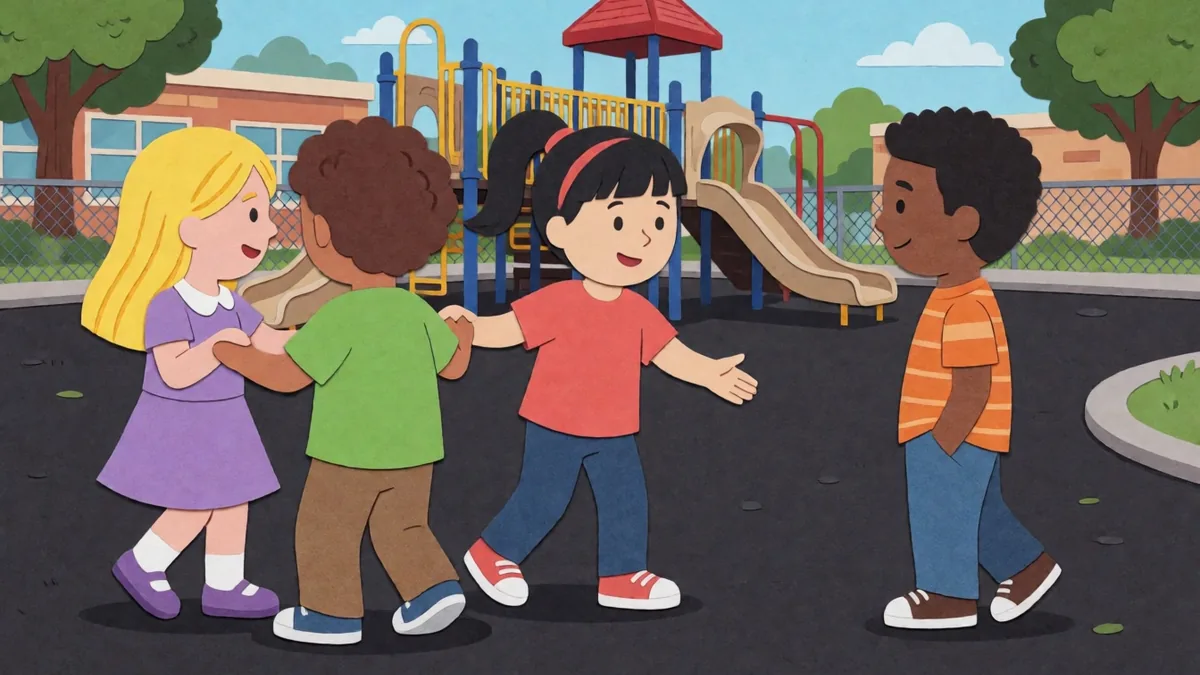
When students stand in a group at recess or for a game, teach the “open circle”: leave a gap big enough for one more person, so anyone walking by can step in. Practice it in class with groups of four, then have one student walk past and join. It’s a tiny physical habit that changes how groups look from the outside. Takes 5 minutes, grades 2–5.
3. Invitation scripts
Many kids want to include others but don’t know the words. Practice three short invitations until they’re easy: “Want to join? We need one more.” “You can be on our team.” “Come sit with us.” Partners role-play, taking turns being the inviter and the one on the edge. Takes 5 to 10 minutes, grades 2–4.
4. Same and different
Partners find three things they have in common and one thing that’s different (favorite food, a game they love, how many siblings, a place they’ve visited). Share a few with the class. Students discover they have more in common than they thought, and that the differences are interesting, not weird. Takes 10 minutes, grades 2–5.
5. Curious, not rude
Write a few questions on cards and have students sort them into “curious” and “rude”: “What’s that holiday about?” vs. “Why do you eat that weird stuff?” Then rewrite the rude ones together. Students learn that tone and words decide whether a question feels welcoming. Takes 10 minutes, grades 2–5.
6. Share-a-tradition circle
Invite students to share one family tradition, greeting, food or saying, if they want to. Keep it optional and low-key; a student’s weekend pancake tradition counts as much as a holiday. Classmates respond with one curious question. Takes 15 minutes, grades 2–5.
7. Teach us a word
Students who speak another language at home can teach the class one word or phrase, like “thank you” or “good morning,” if they’d like to. The class practices it and uses it that day. It tells every student that what they bring from home is valued here. Takes 5 minutes, any grade.
8. Redesign the club
Give small groups a “closed” situation: a club that meets in a room with no sign, a group that always stands with its backs to everyone. Each group redesigns it to be more open and explains one change. This is the “make room” step in action. Takes 15 minutes, grades 4–5. The free task cards have five of these for grades 4–5 (B21–B25).
9. New-student welcome guide
As a class, make a short guide for anyone who joins mid-year: where to put your things, the morning song, who to ask for help, the best recess games. Assign two “welcome buddies” for the next new student. Takes one 30-minute session, grades 2–5.
10. Friend circle
Each student writes or draws one way they help classmates feel welcome, and the pieces are joined into one big circle on the wall. It’s a visible reminder that belonging is something everyone builds. Takes 25 minutes, grades 2–4. The Friend Circle kit has everything you need.
A look inside the free belonging scenarios
The free Social Awareness Scenario Cards cover ten areas of social awareness, with six scenarios each. Two areas fit this skill: Celebrating Differences and Belonging and Appreciating Diverse Backgrounds and Cultures. Here are three of their scenarios, with the guided questions:
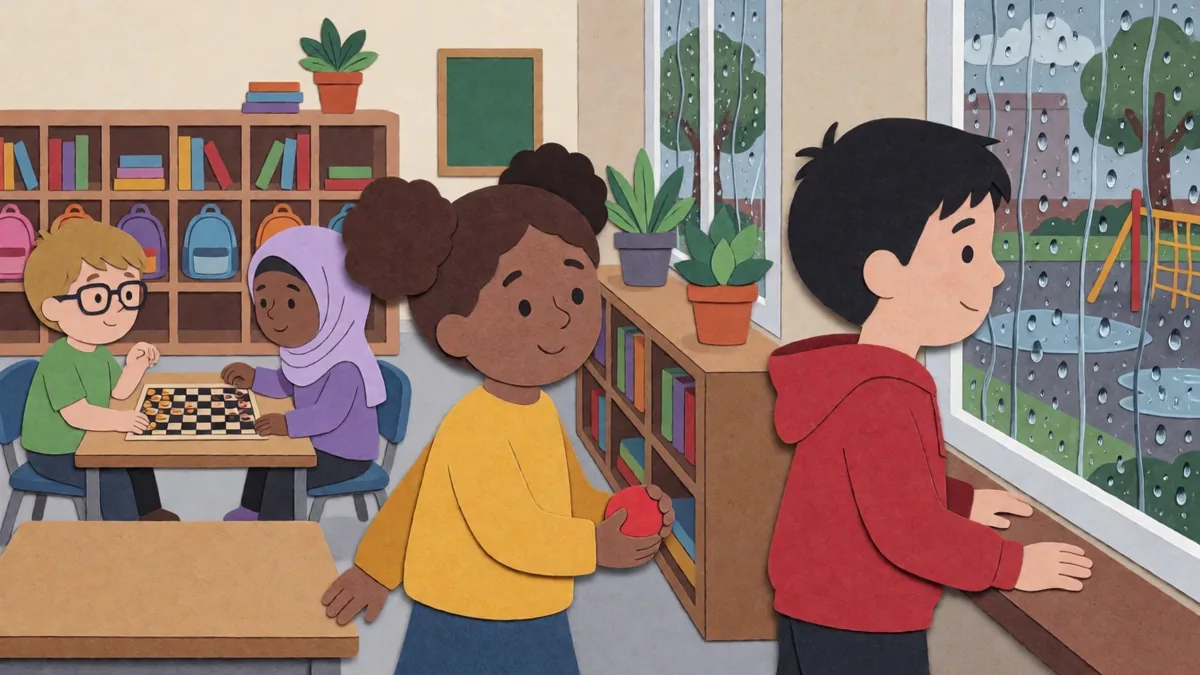
How do the boy’s feet move when the music plays? Why might he stay a few steps away? What could your group say or do next?
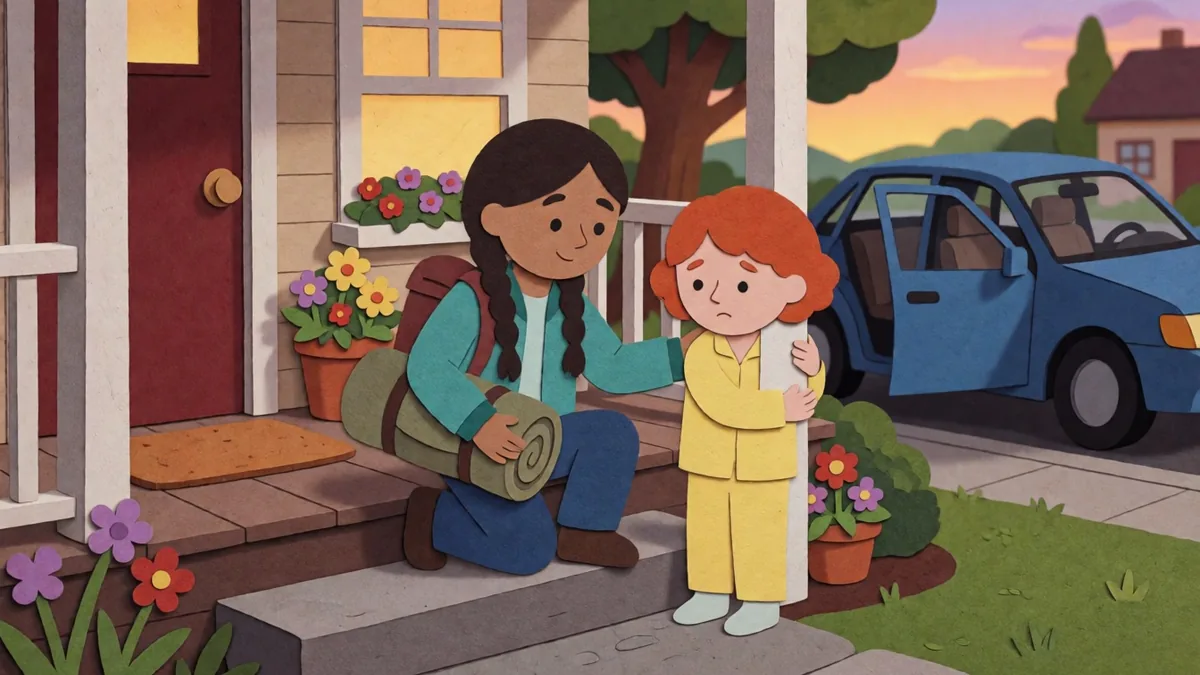
How does the boy react each time your cousins laugh? What is it like to be the only new face at a party? What is one thing you could say to him?
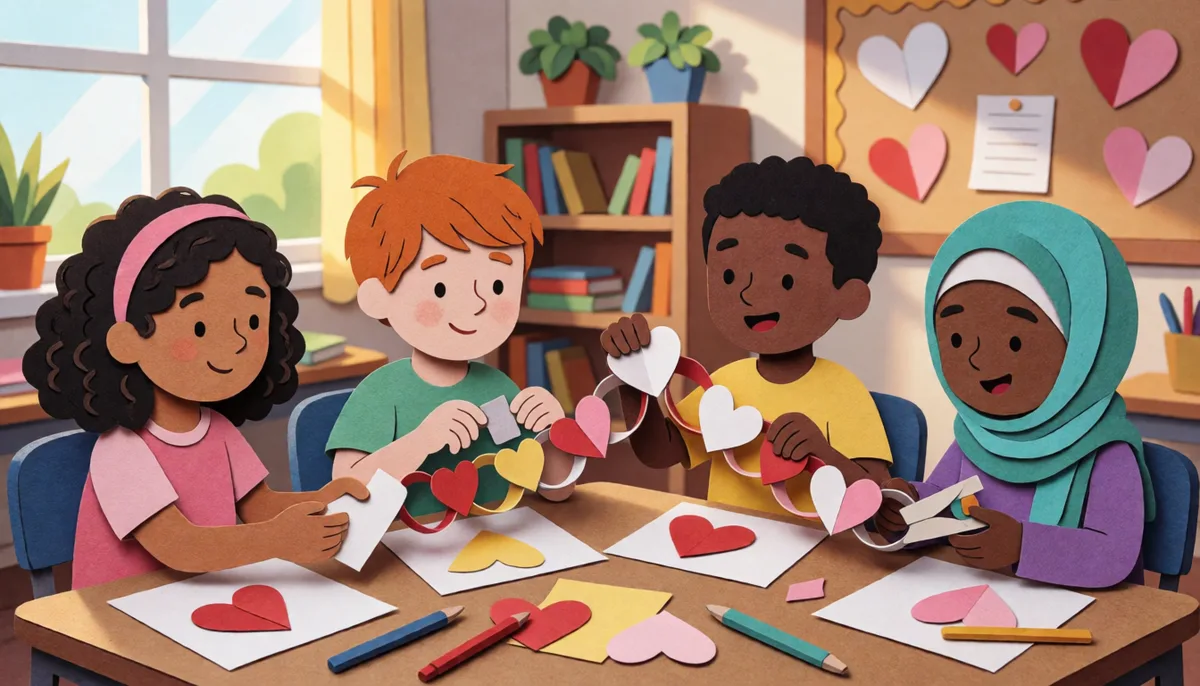
Which decorations does your neighbor’s family set up? Why might the full moon matter on this night? What question could you ask about the rabbit in the moon?
Every scenario comes as an open-ended card (“What do you notice about others here?”) and a guided card with three questions, plus a matching journal page for each. The culture cards name real traditions, so read them ahead; students who share one can add to the talk if they choose.


Quick practice: free inclusion task cards
For faster rounds, the free Social Awareness Task Cards are short, one-moment prompts. Ten of them (A21–A25 and B21–B25) are about belonging, and ten more (A41–A45 and B41–B45) are about different backgrounds and traditions. Three examples:
Each card has a matching reflection sheet, so a card can be a quick talk at morning meeting or a written answer at a center. For full-length scenario sets, conversation cards and kits on this skill, browse the inclusion and belonging collection in the SELcurve library.
Use them on screens, too
Both free sets also work as digital activities. You share one link, choose the format (open-ended or guided scenarios, or task card Set A or B), and students answer on any device with no student logins. At the end, each student downloads an answer sheet to hand in. It’s an easy way to run a belonging center or a sub-plan activity without printing.
Inclusion and belonging resources for your classroom
 Free Social Awareness Scenario Cards — Printable & DigitalGrades 2–6 · Print + digitalFREE
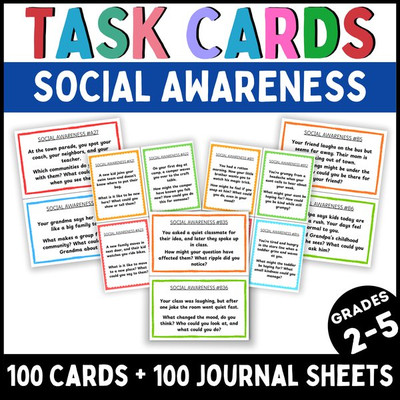 Free Social Awareness Task Cards — Printable & DigitalGrades 2–5 · Print + digitalFREE
 Diversity and Inclusion Scenario Cards — Printable & DigitalGrades 2–6 · Print + digitalFULL LIBRARY
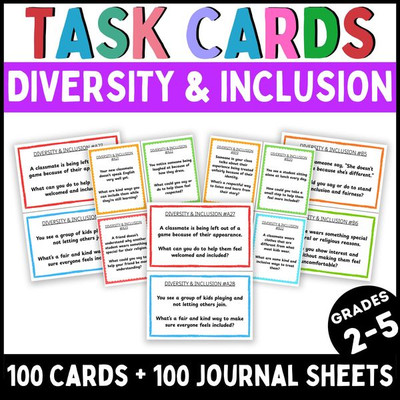 Diversity and Inclusion Task Cards — Printable & DigitalGrades 2–5 · Print + digitalFULL LIBRARY
 Diversity and Inclusion Conversation Cards — Morning Meeting QuestionsGrades 2–8 · Print + digitalFULL LIBRARY
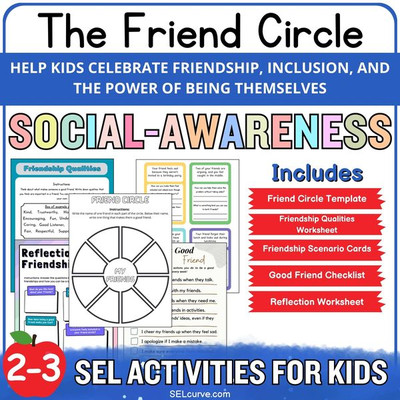 The Friend Circle — Inclusion Activity KitGrades 2–4 · PrintFULL LIBRARY
See everything on the Diversity, Inclusion & Belonging resources page or browse all free SEL resources.
Frequently asked questions
How do you promote inclusion in the classroom?
Teach a short routine and practice it with real-life scenarios: notice who’s on the edge, welcome them with a few easy words, wonder with curiosity instead of judging, and make room by changing something so more people fit. Quick habits like the open circle and invitation scripts help students use it at recess and in groups.
What does inclusion in the classroom mean for students?
For students, inclusion means making room so everyone can take part: in the game, the group and the conversation. Diversity means people are different in many ways, like interests, strengths, families, traditions and languages. For kids: “Everyone is different, and everyone gets a place.”
How do you teach kids to respect differences?
Start with curiosity. Practice friendly questions (“What’s that holiday about?”), let students share their own traditions if they want to, and look for what classmates have in common as well as what’s different. Scenario talks help students practice respectful responses before real moments come up.
What can I do when a student is left out at recess or in groups?
Notice it early and coach the group, not just the student on the edge. Teach invitation scripts and the open-circle habit, and give groups a reason to make room, like a game that needs one more player. Welcome buddies help new students most.
Are the scenario cards really free?
Yes. The Social Awareness Scenario Cards (60 scenarios with journal pages) and the Social Awareness Task Cards (100 cards with reflection sheets) are complete sets, free with a free SELcurve account. No card needed. Both include a digital version you can share as one link.
More SEL ideas