

Bullying Prevention Conversation Cards — Morning Meeting Questions
Students handle bullying better when they have talked it through before it happens.
This resource is in the full SEL Resource Library. See what’s included or start with 10 free resources. Have an account? Log in.
About this resource
Students handle bullying better when they have talked it through before it happens. These bullying prevention conversation cards offer 102 questions for Grades 2–8 on what an upstander does, what to say when someone is left out and why going along is not neutral. They build Social Awareness, with Relationship Skills close behind.
What students practice
- Telling the difference between conflict and bullying
- Acting as an upstander rather than a bystander
- Including someone who is being left out
- Reporting and following up
- Thinking about what makes speaking up hard
What’s inside
- 102 bullying prevention conversation cards, each one numbered open-ended question, 6 per page on 17 full-color pages
- 102 matching reflection sheets with the question printed at the top and room to write, black and white, 2 per page
- A 4-page list of all 102 bullying prevention questions, each tagged by question type such as Personal Experience
- A “How to Use These Cards” page with seven classroom ideas, printing tips and storage tips
- 75 pages in all
A look inside
- “How can you tell the difference between conflict and bullying?”
- “What should you do if someone asks you to keep bullying a secret?”
- “How can you tell when joking starts to go too far?”
How to use these bullying prevention conversation cards in morning meeting
- Morning meeting: one question about upstander behavior, then a few voices shared with the group
- SEL lessons on bullying prevention and counseling groups on peer relationships
- Restorative conversations after an incident, choosing discussion questions that fit what happened
- Writing time with the reflection sheet for students who think better on paper
- Questions on reporting and following up so students know what happens after they speak up
Grade fit
Students in Grades 2–3 can answer from playground and lunchroom moments, while older students tackle jokes that go too far, secrets and online behavior, so the questions double as conversation starters for middle school.
Digital version
The digital version turns the questions into one link: students answer on any device with no student logins and download an answer sheet to hand in.
Pairs well with
Add Bullying Prevention Affirmation Cards for daily courage messages, or give students full situations to practice on with Bullying Prevention Scenario Cards.
Questions teachers ask
Can these be used after a bullying incident?
Yes. Choose the questions that match what happened and use them in a restorative conversation after an incident.
Do the questions only ask what is right?
No. Students also think about what makes it hard to speak up and what they would actually say.
More for Social Awareness
See all in the library →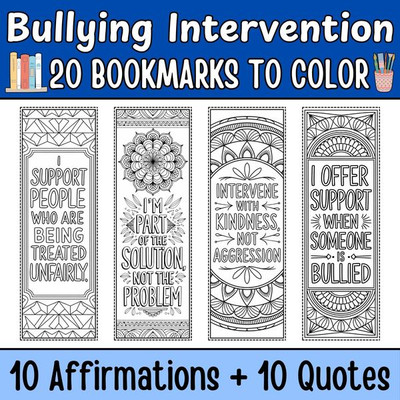


Every resource, one library.
572 SEL resources for elementary classrooms — printables, digital activities and answer sheets, and every new one we add.

