
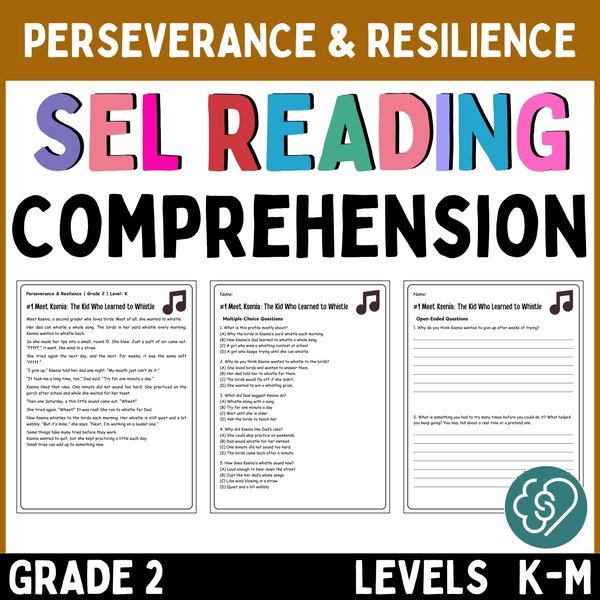
Resilience Reading Comprehension Passages — Grade 2
For weeks, only puffs of air came out when Ksenia tried to whistle.
This resource is in the full SEL Resource Library. See what’s included or start with 10 free resources. Have an account? Log in.
About this resource
For weeks, only puffs of air came out when Ksenia tried to whistle. These resilience reading comprehension passages give Grade 2 readers ten short texts at F&P levels K–M about keeping going when something is hard and bouncing back when something goes wrong. A skill that won’t click, a long wait, a bad morning: second graders know all three, and the set treats them as part of Self-Management.
What students practice
- Trying again when something is hard
- Waiting patiently while things take time
- Bouncing back after a bad morning
- Remembering hard things they have already done
- Starting fresh after something breaks
What’s inside
- 10 passages at F&P levels K–M, from a student profile and a fable to a science passage
- 5 multiple-choice questions for each passage
- 2 open-ended questions per passage
- A one-page answer key for the multiple-choice questions at the end
- 34 pages
A look inside
- Hettie Waits in Her Chrysalis: a caterpillar wants to burst out right away but waits day after day for her wings.
- Imogen and the Big Hill Home: Imogen’s legs feel heavy on the walk home, so she rests a minute and keeps going one mailbox at a time.
- How to Remember You Can Do Hard Things: think of something hard you already did, say “I did that,” and use it to try again.
- Jon’s First and Second Scooter Ride: the same wobbles, two different choices.
- Why Spiders Rebuild Their Webs: many spiders spin a new web after wind or rain, often reusing the old silk.
How to use these resilience reading passages in Grade 2
- Small reading groups at levels K–M
- Partner reading, with the open-ended questions as a talk prompt
- Whole-class SEL talks: read “The Day Our Fish Tank Sprang a Leak” and talk about how the class started fresh together
- Independent practice, checked with the answer key
Grade fit
Levels climb from K to M, and every setback is sized for a second grader: spilled cereal, tangled fishing line, a wobbly scooter. Not every story ends in instant success, and Kurt is still slower than Grandpa at the knot, which keeps the message honest. The “What Does It Mean to Bounce Back?” explainer uses a bouncy ball, so the idea lands before the reading passages with questions ask students to apply it.
Digital version
With the interactive digital version, you share one link and students read each passage and answer the questions on any device, with no student logins. At the end they download an answer sheet to hand in.
Pairs well with
For more resilience activities, try Resilience Task Cards or Resilience Conversation Cards.
Questions teachers ask
Is there an answer key?
Yes. The multiple-choice answers are on the last page of the PDF. The open-ended questions have no fixed answer.
Does the set cover perseverance too?
Yes. Passages cover both keeping going during something hard, like Ksenia's whistle, and bouncing back afterward, like the class with the leaking fish tank.
Do students need accounts for the digital version?
No. You share one link and students open it on any device without logging in.
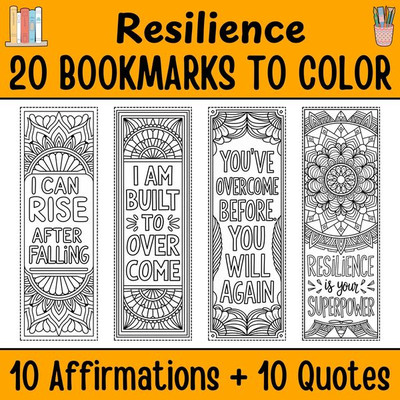
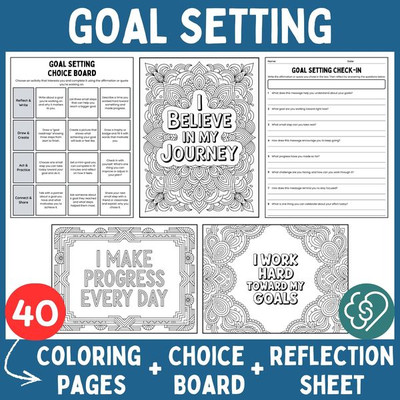
More for Self-Management
See all in the library →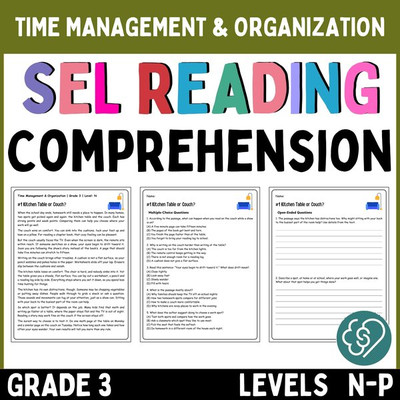

Every resource, one library.
572 SEL resources for elementary classrooms — printables, digital activities and answer sheets, and every new one we add.

