
Full library·Grades 2–8·Self-Awareness·Conversation Cards
Identifying Triggers Conversation Cards
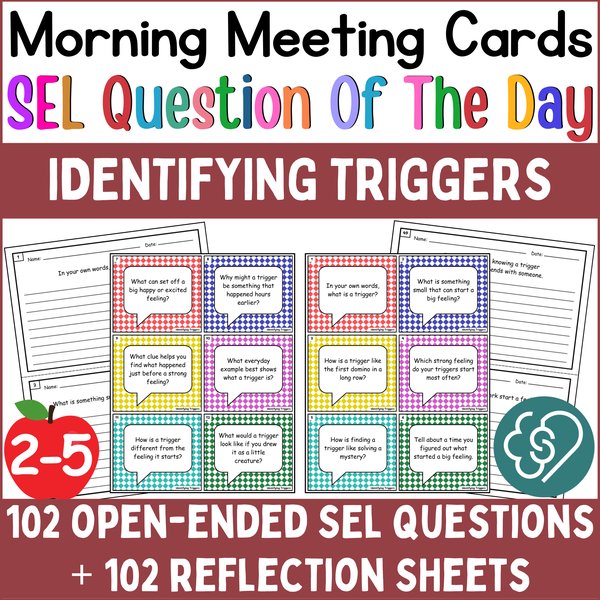
Big feelings rarely come out of nowhere, and these identifying triggers conversation cards help students find what came just before: a hurry, a noise, a tone of voice, a moment of feeling left out.
- 102 discussion questions
- 51 pages
- Print + digital
In the full library, with 4 more on Identifying Triggers
Task cards, worksheets, role play and more (grades 2–8).
Get the free Self-Awareness Conversation CardsFree account · school email works · See the full library
 Same format, free with a free account: Self-Awareness Conversation CardsOpen it →
- Grades
- 2–8
- What you get
- 102 discussion questions grouped into six focu…75 pages
- Use it
- Print + digitaldigital = one link, no student logins
- Competency
- Self-Awareness
- Topic
- Identifying Triggers
About this resource
Big feelings rarely come out of nowhere, and these identifying triggers conversation cards help students find what came just before: a hurry, a noise, a tone of voice, a moment of feeling left out. The 102 morning meeting questions turn students into feelings detectives. Made for Grades 2–8, they build Self-Awareness.
What students practice
- Explaining what a trigger is and how it differs from the feeling
- Spotting triggers in places: hurry, noise and waiting
- Noticing how words, tone and actions set off feelings
- Uncovering hidden triggers like being left out or embarrassed
- Spotting patterns and planning ahead for tricky times
What’s inside
- Analytical questions lead (20), followed by observation (18) and reflection (15)
A look inside
“How is a trigger like the first domino in a long row?”
“Why might a grumpy tone bother you more than the words themselves?”
“What helps you notice when you seem grumpy but really feel left out?”
“What would a trigger plan card in your backpack say?”
How to use these identifying triggers conversation cards in morning meeting
Grade fit
The settings are familiar from Grade 2 on: a long wait in line, a ride running late, a fire drill, a crowded bus. Questions about being corrected in front of the class or picked last speak to older students, so the cards also serve as conversation starters for middle school.
Digital version
The digital version turns the questions into one link: students answer on any device with no student logins and download an answer sheet to hand in.
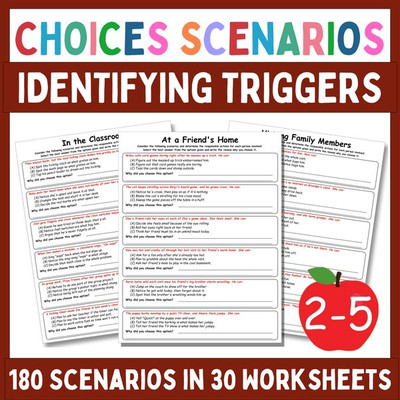
Pairs well with

Questions teachers ask
Is this set just about anger?
No. The cards ask about triggers for any strong feeling, including happy and excited ones: “What can set off a big happy or excited feeling?”
Do students need logins for the digital version?
No. One link opens the questions on any device, and students download an answer sheet at the end.
More for Self-Awareness
See all in the library →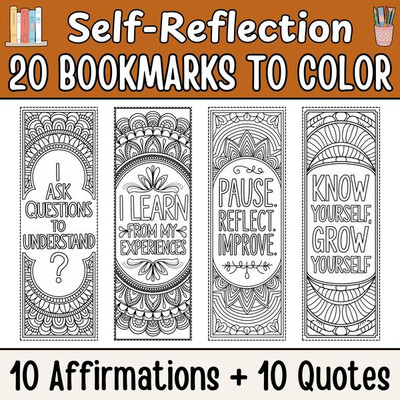
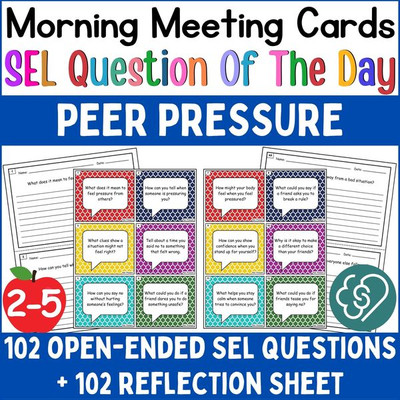
Every resource, one library.
672 SEL resources for elementary classrooms — printables, digital activities and answer sheets, and every new one we add.


