
Coping Skills Games for Kids: 6 Games That Make Calming Tools Stick
Kids can list calming tools when they're calm. Using one when a worry spins or the jitters start is a different skill, and it takes practice. These coping skills games give them that practice, with three role plays to act out first.
Ask a calm class how to handle a worry and you’ll get a great list: take a breath, talk to someone, squeeze something soft. Then the worry shows up for real and the list is gone. Coping skills games close that gap by making the tools familiar before they’re needed. The six games below take five to ten minutes, work with a whole class, and keep the focus where it belongs: the feeling is allowed to be there, and students practice what to do while it is.
Why practice coping before kids need it
A big feeling makes it harder to think of new ideas. That’s exactly why the tools need to be practiced on ordinary days. A tool a student has used ten times in a game is one they can reach for in the dentist’s chair or the night before a big change. Games also make it normal to talk about worry and upset, so students learn that everyone has these feelings and everyone can learn ways to handle them.
Two habits matter most: starting a tool early, before a feeling gets big, and doing one thing about a worry instead of letting it spin.
6 coping skills games for the classroom
- Snow Globe Settle. Shake a glitter jar and set it on a table. Everyone breathes slowly until the glitter reaches the bottom. Then ask: “How did your body change while you watched?” noticing calm
- Early Warning. Read a short situation one sentence at a time, like waiting for a shot at the doctor’s. Students raise a hand at the moment they’d start a calming tool. Talk about why earlier helps. starting early
- One Thing. A student names a pretend worry (“What if nobody sits with me?”). The class answers with one small thing they could do about it today. worry to action
- Tool Charades. Act out a calming tool without words: shoulder taps, slow breathing, counting, a squeeze of the hands. The class guesses the tool and where it would help. tool vocabulary
- Quiet or Loud? Hold up place cards: the library, the bus, a haircut, the playground. Students sort which tools work where nobody notices and which need space. choosing tools
- Invent a Tool. In pairs, students think of something that already helps them feel calmer, like a song or a soft blanket, and turn it into a tool they could carry or use again. personal tools
Coping skills role play scenarios to act out first
Before the games, let students watch a character use a coping skill in a real moment. The three below belong to a free self-management collection, and each one shows a different tool.
| Scene | The moment | The coping skill |
|---|---|---|
| 6. The Guest Room for Grandma | Furkan worries his grandma won’t know he cares, since he speaks only a few words of her language. | He asks himself what he most wants her to know, and puts his favorite mug by her bed. |
| 7. A Jar Full of Snow | A splashing car ruins the picture Erum drew for her grandma. | Watching a snow globe settle helps her settle, so she makes a glitter jar to keep. |
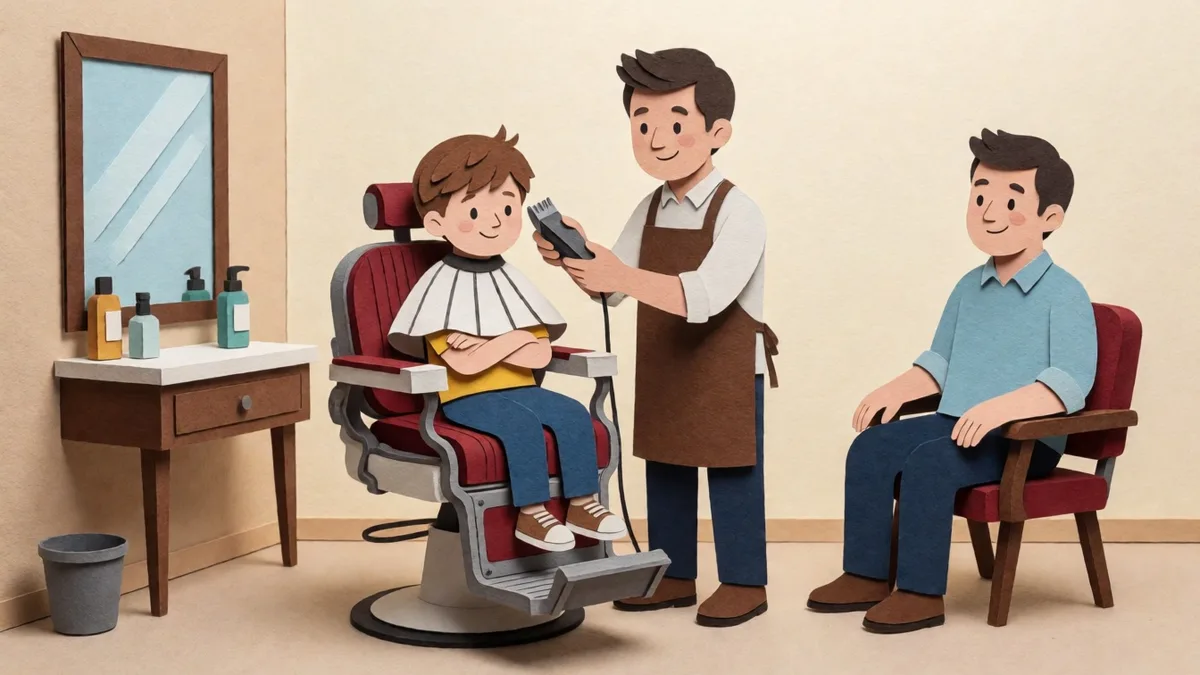
| 8. Butterfly Taps in the Barber Chair | The clippers buzz next to Geir’s ear at a new barbershop. | He starts butterfly taps under the cape as soon as the jittery feeling begins. |
Scene 6 pairs well with the One Thing game, scene 7 with Snow Globe Settle and Invent a Tool, and scene 8 with Early Warning. Furkan’s line at the end is worth pausing on: he is “still a little worried,” but he did one thing about it. That’s coping, not making the feeling vanish.
Three of the discussion cards that close the scenes:
Inside the free self-management role plays
The free Self-Management Role Play Scenarios include twenty scenes written for second through fifth grade, from three people calling out skating tips at once and a balloon lost at a parade to a sneaky wave that washes away half a line of shells. Each script is followed by a page of five discussion cards. The teacher guide gives you a detailed script, a shorter outline, objectives and a simple props list.


For other skills, start from the free SEL collection and pick a topic.
More free self-management resources
 Self-Management Brain Breaks — SEL Movement Game (Grades 3–5)Grades 3–5 · PrintFREE
 Free Self-Management Reading Comprehension Passages — Grade 3Grade 3 · Print + digitalFREE
 Free Self-Management Worksheets — Multiple-Choice ScenariosGrades 2–5 · Print + digitalFREE
Browse all free SEL resources.
Frequently asked questions
What are some coping skills games for kids?
Games that practice a tool before it’s needed: watching a glitter jar settle while breathing slowly, raising a hand at the moment you’d start a tool, acting out tools without words, and turning a worry into one small action.
How do you teach coping skills to elementary students?
Model one tool at a time, practice it on calm days with short games and role plays, and talk about when to start it. Remind students the feeling is allowed; the tool helps them decide what to do while it’s there.
What if a student says no tool works for them?
Invite them to invent one from something that already helps, like Erum’s snow globe in the role play. A tool a student creates is often the one they actually use.
Is there a cost for the self-management scripts?
There isn’t. Every script, discussion card and teacher page in the set is free for classroom use.
More SEL ideas
 Self-ManagementSelf-Care Questions for Students: 36 Questions About Rest, Food, Moods and Bouncing Back
 Self-ManagementSelf-Regulation Strategies for Students: 6 Ways to Handle Big Feelings in the Moment
 Self-ManagementBrain Breaks for 4th Graders: Quick Resets for Focus and Calm (Free Mindfulness Game)


